• Facebook
  • Youtube
  • LinkedIn
House Call Home Inspection of Acadiana
  • About Us
  • Meet the Team
  • Services & Fees
  • Your Inspection
  • Your Report
  • For Agents
  • Inspection FAQ
  • Schedule Your Inspection
  • Search
  • Menu Menu
Inspection FAQ, Structural

Why are my wood floors buckling?

High moisture levels under the house?


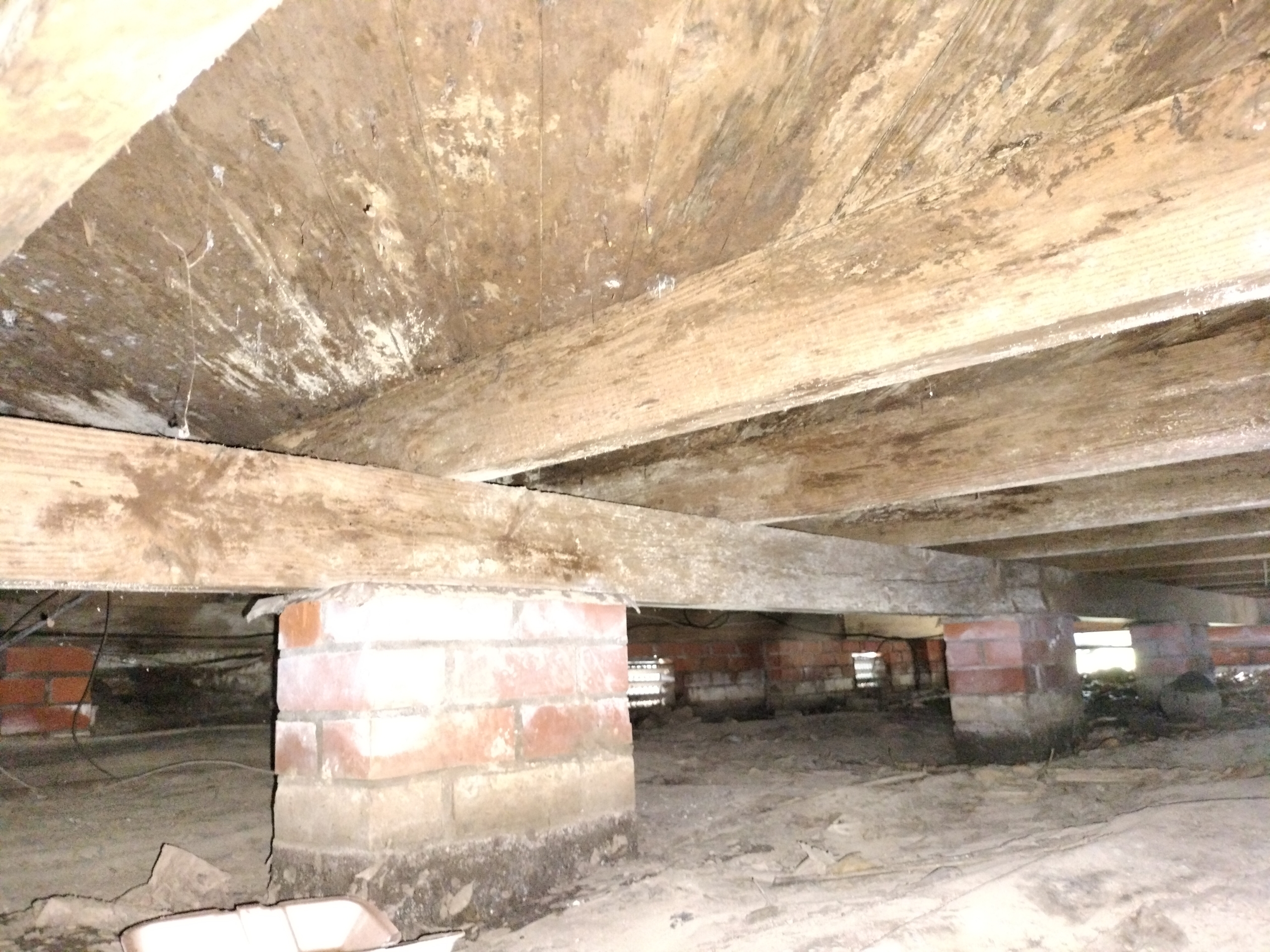
Buckling in wood floors can occur for a number of reasons, but moisture is often the root cause. For those of us living in the Gulf South, high humidity levels and exposure to moisture from underneath the house are common factors that lead to buckling wood floors. It’s likely that moisture is accumulating under your house and causing the wood floors to buckle. Proper ventilation can help to reduce humidity levels and prevent moisture from becoming trapped under the house.

To repair the buckled wood floors, you will need to identify the source of the moisture and address it first. This may involve improving the ventilation under the house, fixing any plumbing leaks, or addressing drainage issues. Once the moisture problem has been resolved, you can then focus on repairing the floors themselves.

The extent of the damage will determine the best approach for repairing the floors. In some cases, the buckled boards may need to be removed and replaced. In other cases, the boards can be sanded down and refinished. It’s important to work with a qualified flooring contractor who can assess the damage and recommend the best course of action for your specific situation.

Overall, addressing the moisture issue is key to preventing further damage and ensuring the longevity of your wood floors.

Once the crawl space is ventilated properly, is it possible my floors may buckle even more from the change in conditions?

It’s unlikely that proper ventilation in your crawl space will cause your floors to buckle even more. In fact, improving ventilation can help to prevent further damage to your floors by reducing moisture levels and preventing the accumulation of moisture under your home.

However, it’s important to note that if your floors have already been damaged by moisture, improving ventilation alone may not be enough to reverse the damage. If the damage is extensive, you may need to replace some or all of the affected floorboards. A qualified flooring contractor can assess the damage and recommend the best course of action for your specific situation.

It’s also worth noting that proper ventilation alone may not be enough to prevent moisture buildup under your home. You may also need to address other potential sources of moisture, such as plumbing leaks or poor drainage. A qualified contractor can help you identify and address these issues as well.

Overall, improving ventilation in your crawl space is an important step in preventing further damage to your floors, but it may not be the only step you need to take. It’s important to work with qualified contractors to assess the damage and develop a comprehensive plan for repairing and preventing future damage to your floors.
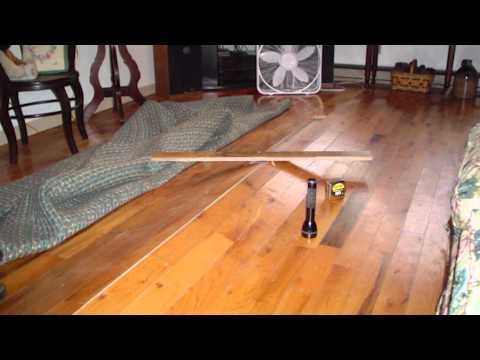
Buckling Wood Floors
Buckling Wood Floors

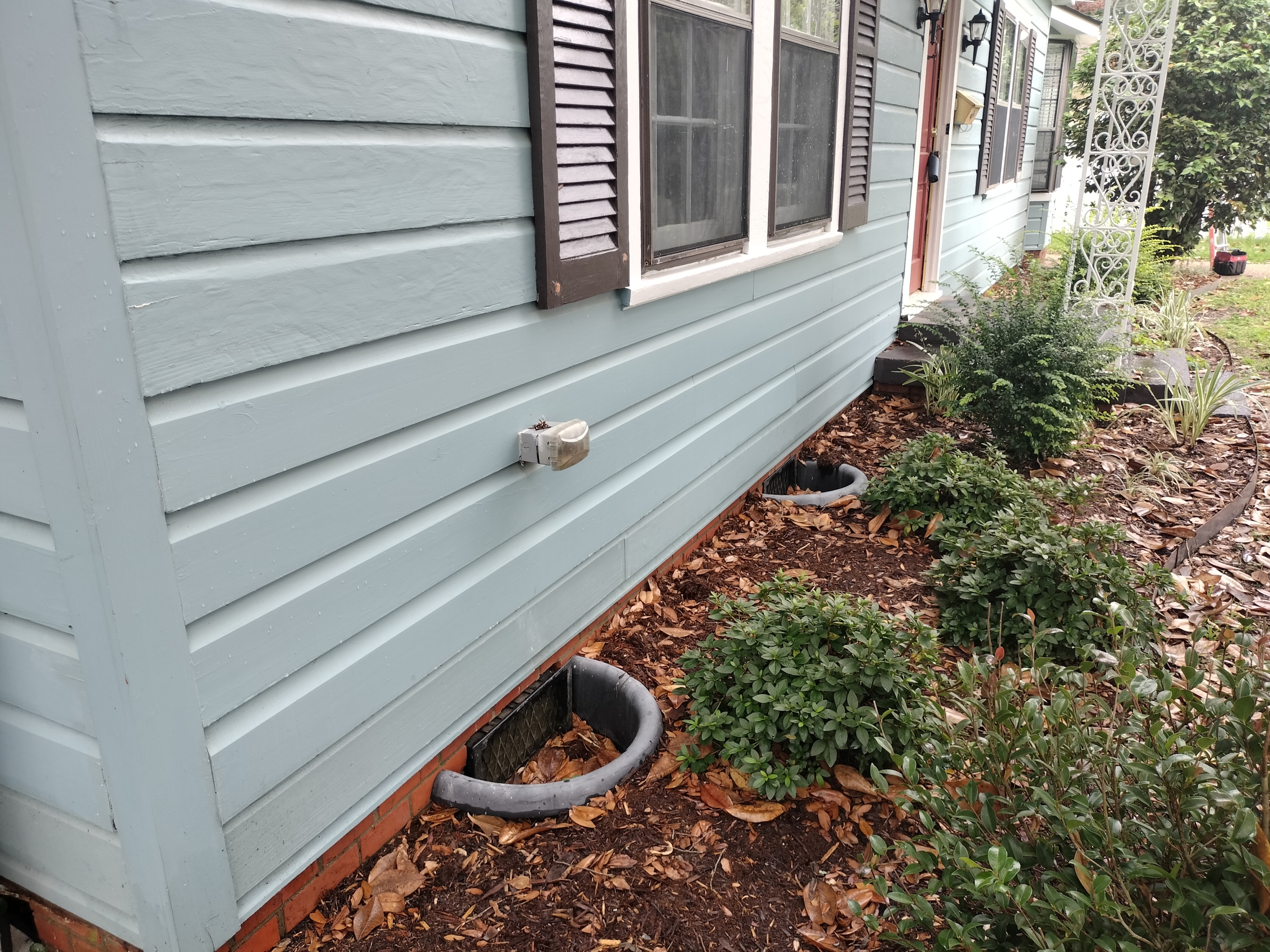
Poor Crawl Space Ventilation

Partially Blocked Ventilation

Deterioration at Floor Structure
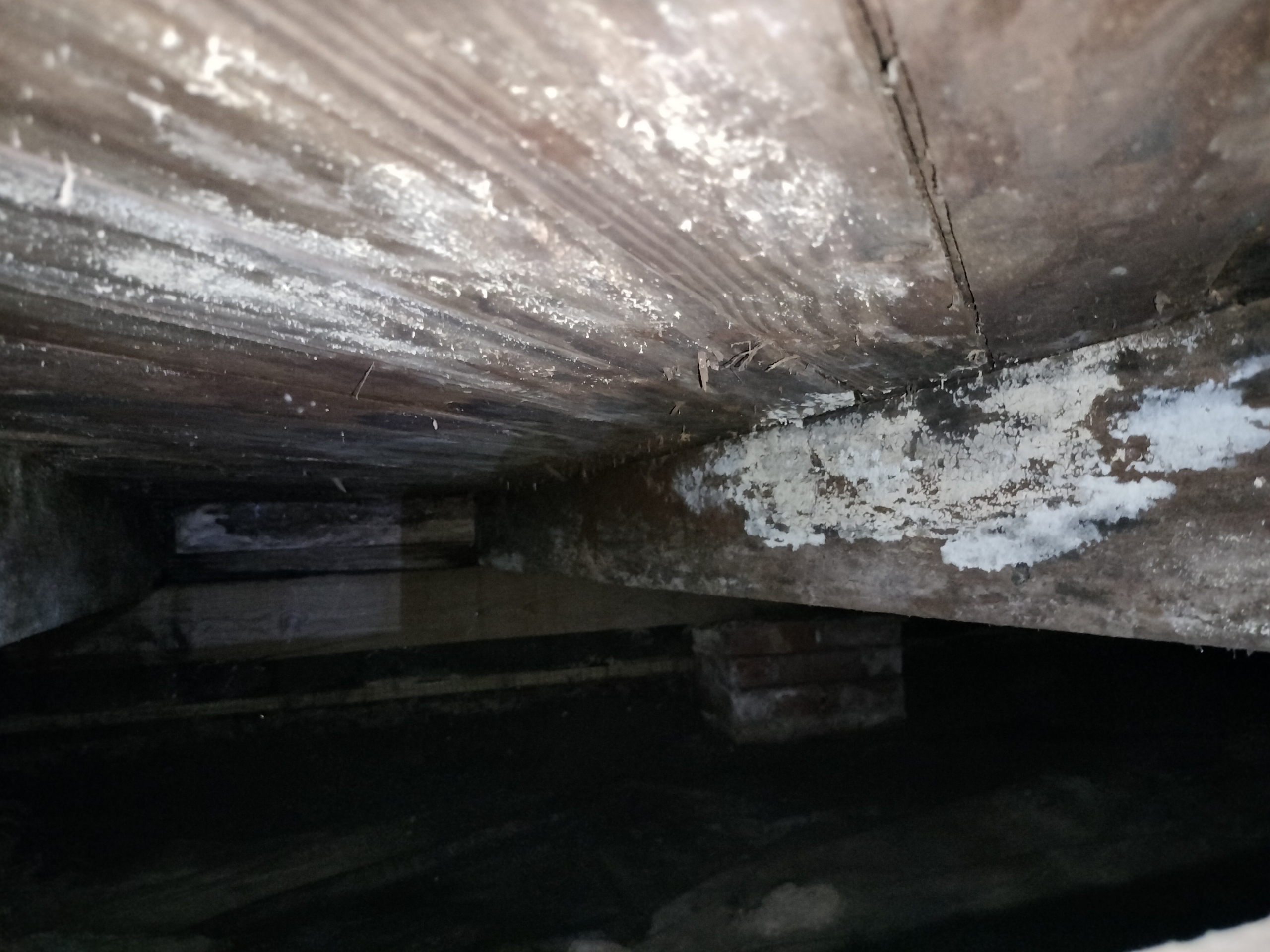
Deterioration at Floor Structure

Deterioration at Floor Structure

More Deterioration at Floor Structure
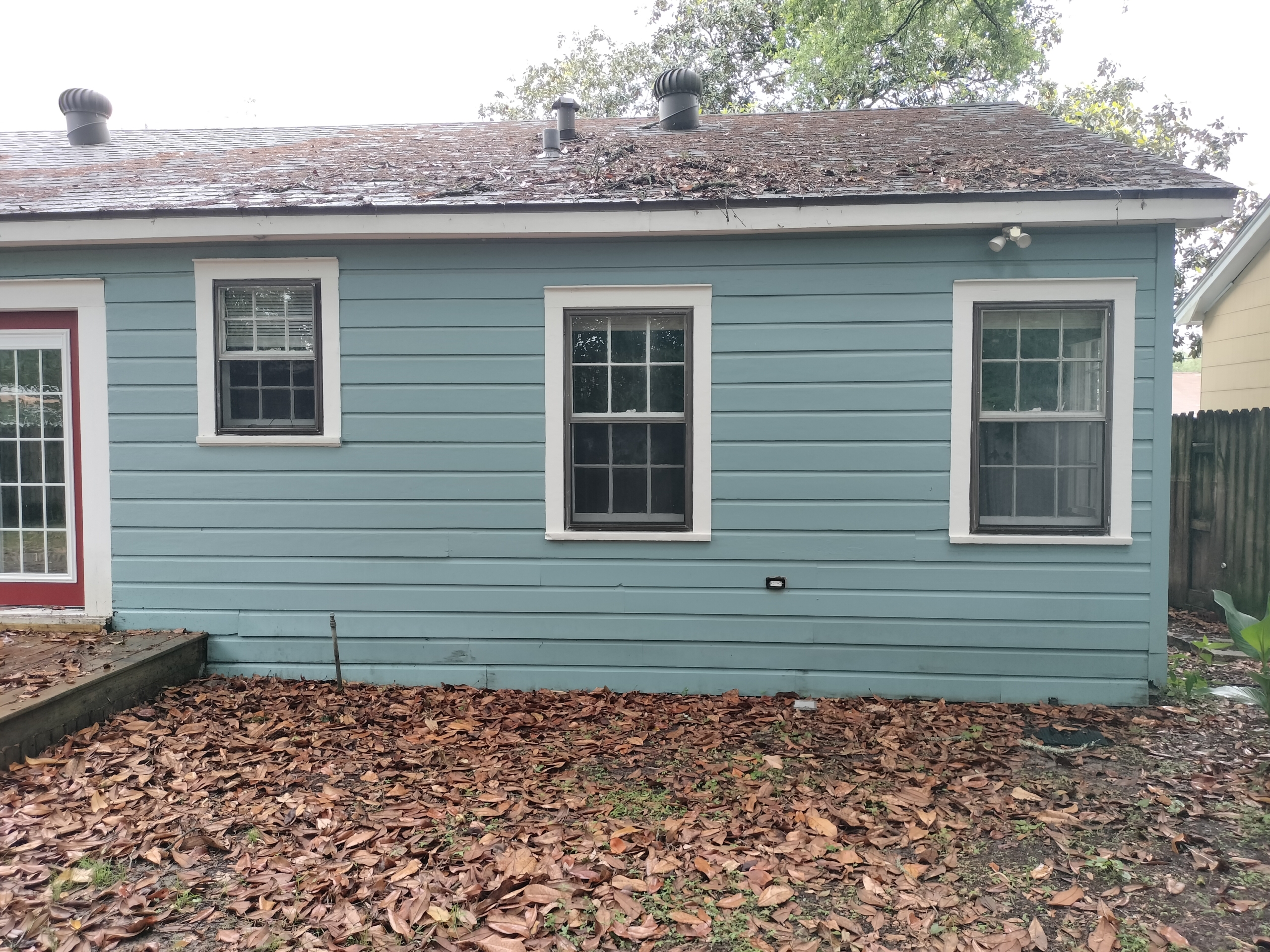
Missing Ventilation

Missing Ventilation at Crawl Space
May 12, 2023/by jesseboudoin@gmail.com
https://housecallacadiana.com/wp-content/uploads/2023/01/Artboard-1-1-300x65.png 0 0 jesseboudoin@gmail.com https://housecallacadiana.com/wp-content/uploads/2023/01/Artboard-1-1-300x65.png jesseboudoin@gmail.com2023-05-12 17:48:062023-05-12 17:48:06Why are my wood floors buckling?
HVAC, Inspection FAQ

What’s the problem with an oversized A/C system?

Here are a few of the problems.


An oversized condenser or compressor can lead to a few potential problems:
1. Reduced efficiency: An oversized condenser or compressor may not operate at its optimal efficiency, which can lead to higher energy consumption and increased operating costs.
2. Short cycling: An oversized compressor may cause the system to short cycle, which means it turns on and off frequently. This can lead to premature wear and tear on the equipment and reduce its lifespan.
3. Humidity issues: An oversized air conditioning system may not run long enough to remove the desired amount of moisture from the air, leading to high humidity levels and potential mold or mildew growth.
4. Increased noise: An oversized compressor may create more noise than necessary, which can be disruptive to occupants of the building.
5. Higher initial cost: An oversized system may have a higher upfront cost, which may not be necessary if a properly sized system would meet the cooling needs of the space.


Why do some people install oversized A/C’s?


There are a few reasons why someone might oversize their air conditioning system:
1. Lack of knowledge or improper sizing calculation: HVAC systems are complex, and it can be challenging to determine the correct size for a system based on a building’s square footage, insulation, and other factors. If someone does not have the appropriate knowledge or makes an error in the sizing calculation, they may oversize the system unintentionally.
2. Desire for quick temperature change: Some people may believe that an oversized system will cool a space more quickly than a properly sized system. While an oversized system may cool a space more quickly initially, it will not maintain a consistent temperature and may lead to the problems mentioned earlier.
3. Future expansion or changes: Someone may choose to oversize their system to accommodate future expansion or changes to the building. However, it is generally better to install a system that meets current needs and plan for future changes or expansions with a separate system or equipment upgrade.
4. Personal preference: Finally, some people may simply prefer a larger system and believe that it will provide better comfort and cooling. However, this is not necessarily the case, and an oversized system can lead to the problems mentioned earlier.
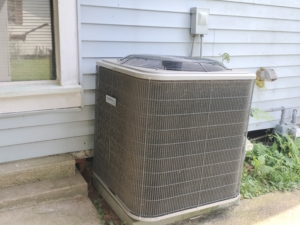
Oversized A/C Condenser

Oversized A/C on a Small House

May 5, 2023/by jesseboudoin@gmail.com
https://housecallacadiana.com/wp-content/uploads/2023/01/Artboard-1-1-300x65.png 0 0 jesseboudoin@gmail.com https://housecallacadiana.com/wp-content/uploads/2023/01/Artboard-1-1-300x65.png jesseboudoin@gmail.com2023-05-05 14:06:342023-05-05 14:06:34What’s the problem with an oversized A/C system?
Electrical

What is an ungrounded electrical outlet?

What is an ungrounded electrical outlet?


An ungrounded electrical outlet is an outlet that lacks a ground wire, which is a safety feature designed to protect people and equipment from electrical shocks. In a typical electrical outlet, there are three wires: a hot wire, a neutral wire, and a ground wire. The hot wire carries the electrical current, the neutral wire provides a return path for the current, and the ground wire provides a safety path to ground in the event of a short circuit or other fault.

In an ungrounded outlet, there is no ground wire, which means that there is no safety path for electrical current to flow to ground in the event of a fault. This can be dangerous because if a fault occurs, the electrical current may flow through a person or equipment, potentially causing injury or damage. Ungrounded outlets are common in older buildings and homes that were built before modern electrical codes required the use of grounded outlets. If you suspect that you have ungrounded outlets in your home or workplace, it is recommended that you consult with a licensed electrician to determine the best course of action to ensure your safety.
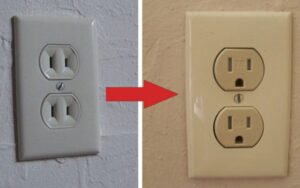
Two-prong ungrounded outlet

Two-prong Ungrounded & Modern Grounded Electrical Outlet

May 4, 2023/by jesseboudoin@gmail.com
https://housecallacadiana.com/wp-content/uploads/2023/01/Artboard-1-1-300x65.png 0 0 jesseboudoin@gmail.com https://housecallacadiana.com/wp-content/uploads/2023/01/Artboard-1-1-300x65.png jesseboudoin@gmail.com2023-05-04 15:14:372023-05-04 15:14:37What is an ungrounded electrical outlet?
Uncategorized

What is a four-point home inspection?

What is a four-point home inspection?

A four-point inspection is a type of home inspection that focuses on four key areas of a property: the roof, electrical system, plumbing system, and HVAC (heating, ventilation, and air conditioning) system. It is typically required by insurance companies for homes that are 20 years or older or have not been updated in a certain number of years.


Who needs a four-point inspection?

Four-point inspections are commonly required in states that are prone to natural disasters such as hurricanes, earthquakes, or floods. For example, in Florida, many insurance companies require four-point inspections for homes to be eligible for coverage due to the risk of hurricane damage.
However, four-point inspections may also be required in other areas where there is a high risk of property damage or safety hazards. It’s always a good idea to check with your insurance company to find out if a four-point inspection is required for your home.

What is included with a four-point inspection?


During a four point inspection, a licensed inspector will visually examine each of the four systems to determine their age, condition, and overall functionality. They will look for any signs of damage, wear and tear, or potential safety hazards that could pose a risk to the property or its occupants. The inspector will then provide a report that outlines their findings and recommendations for any necessary repairs or upgrades.


How much does it cost?


The cost of a four-point inspection can vary depending on several factors, including the location of the property, the size of the home, and the complexity of the inspection. However, on average, you can expect to pay between $125 and $250 for a standard four-point inspection.
It is important to note that the cost of the inspection may be covered by the insurance company if it is required as part of the insurance application process. In some cases, the cost may be included in the overall cost of the homeowner’s insurance policy.
May 4, 2023/by jesseboudoin@gmail.com
https://housecallacadiana.com/wp-content/uploads/2023/01/Artboard-1-1-300x65.png 0 0 jesseboudoin@gmail.com https://housecallacadiana.com/wp-content/uploads/2023/01/Artboard-1-1-300x65.png jesseboudoin@gmail.com2023-05-04 15:06:032023-05-04 15:06:03What is a four-point home inspection?
Inspection FAQ, Plumbing

What is a Sewer Scope?

A sewer scope is a type of inspection that involves inserting a small camera on a flexible cable into a sewer line or drainpipe to visually inspect the condition of the pipe and identify any blockages, damage, or other issues. The camera captures real-time video footage of the interior of the pipe, which can be viewed by a technician or plumber on a monitor. Sewer scopes are commonly used to diagnose sewer line problems such as clogs, cracks, tree root infiltration, corrosion, and other issues that can cause backups and sewage leaks. This type of inspection is often recommended for home buyers, as well as for homeowners who are experiencing recurring sewer line problems.

In the past, you would have had to hire a licensed plumber with expensive equipment. Today, more home inspectors are trained and equipped to perform sewer scope inspections. It is not a standard part of a typical home inspection. Home inspectors generally focus on evaluating the overall condition of the home, including the structural elements, roof, electrical, plumbing, and HVAC systems, among other things. A sewer scope is a more specialized inspection of the waste plumbing system.

It’s important to note that a sewer scope inspection typically involves an additional cost beyond the standard home inspection fee. However, the cost of a sewer scope inspection is often well worth it, as it can help identify potential problems with the sewer line that may not be visible to the naked eye.
Sewer scope performing an inspection on cast iron pipes.

Inspecting Cast Iron Pipes

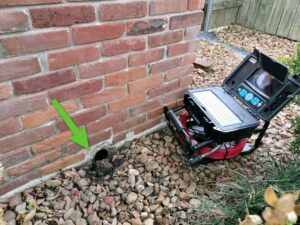
Sewer scope performing a video pipe inspection on front yard clean-out.

Performing Sewer Scope in Front Yard

Sewer scope performing a video pipe inspection on a clean-out.

Sewer Scope on Multi-Family Units

May 3, 2023/by jesseboudoin@gmail.com
https://housecallacadiana.com/wp-content/uploads/2023/01/Artboard-1-1-300x65.png 0 0 jesseboudoin@gmail.com https://housecallacadiana.com/wp-content/uploads/2023/01/Artboard-1-1-300x65.png jesseboudoin@gmail.com2023-05-03 15:04:042023-05-03 15:04:04What is a Sewer Scope?

Pages

  • About Us
  • For Agents
  • House Call Acadiana – Home Inspections
  • Inspection FAQ
  • Meet the Team
  • Services & Fees
  • Termite Inspection
  • Your Inspection
  • Your Report

Categories

  • Electrical
  • House Call Acadiana
  • HVAC
  • Inspection FAQ
  • Plumbing
  • Structural
  • Uncategorized
  • Wood Destroying Insects

Archive

  • June 2026
  • May 2023
  • October 2019
  • June 2019
  • May 2019

Proudly Providing Home Inspection Services in Louisiana

House Call Acadiana is a local franchise based out of Lafayette Parish, Louisiana. Lafayette is called the ‘Hub City’, being centrally located in Acadiana, or ‘Cajun Country’ as it’s famously known worldwide. The area has a growing real estate market with an especially high amount of new construction. House Call Acadiana home inspectors have been servicing the Acadiana area since 2009.

Contact Us

We love hearing from you anytime!
Call, text or email us if you have any questions or use the online scheduler to set up a home inspection.

Address

201 N College Rd, Lafayette, LA 70506

Email

jboudoin@housecallusa.net

Phone

337-233-8840

©Copyright House Call Home Inspection- Inspector Jesse Boudoin (LHI# 10993) - Enfold WordPress Theme by Kriesi
  • Facebook
  • Youtube
  • LinkedIn
Scroll to top